
Plastic Surgery Clinic · Head
PRP rejuvenation & lip enhancement.
Two consultation-led procedures designed to improve skin quality or lip proportion with careful planning and comprehensive aftercare.
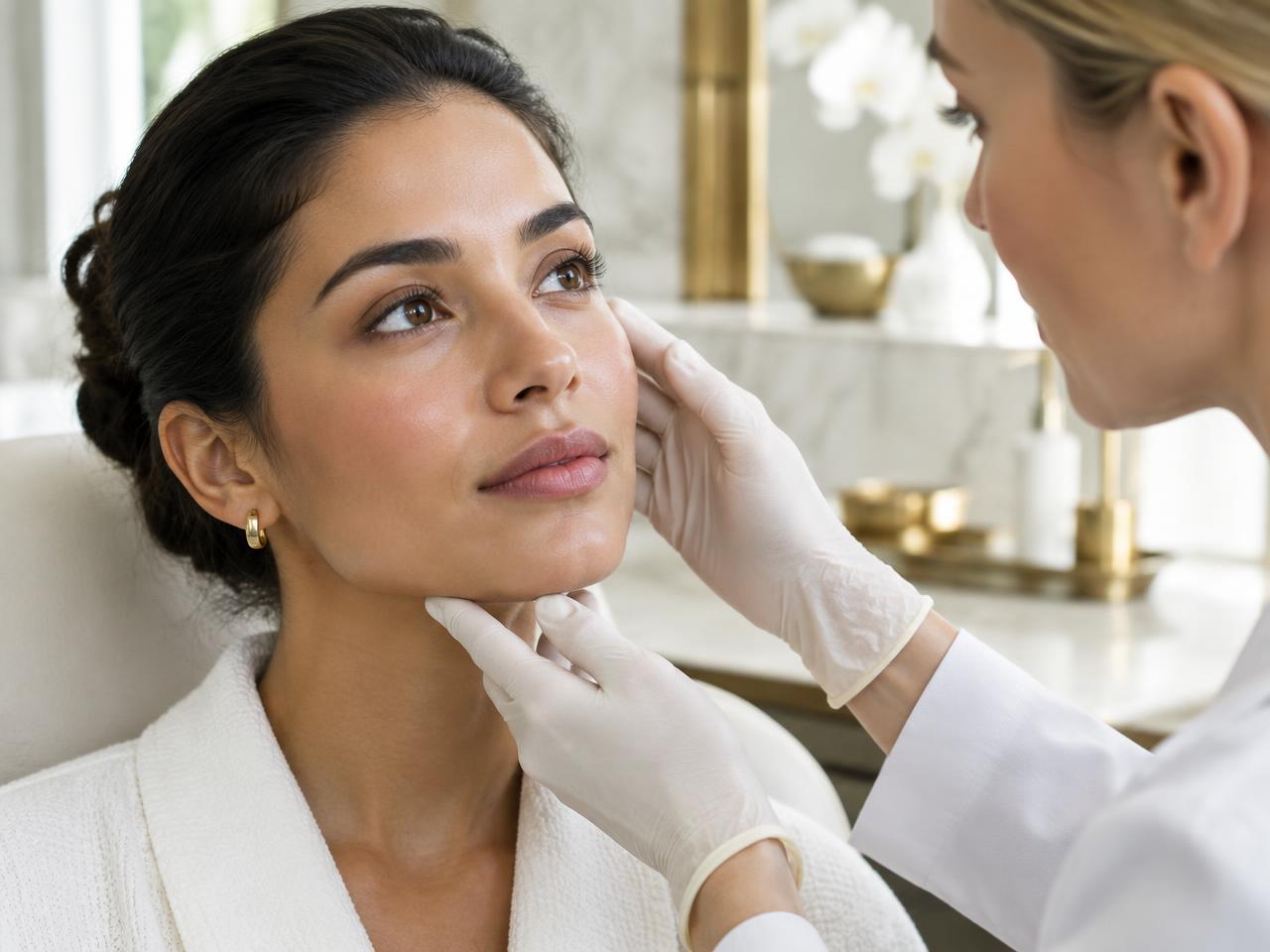
PRP facial rejuvenation procedure
Platelet-Rich Plasma (PRP) facial rejuvenation, also known as the "vampire facial," is a cosmetic procedure that uses the patient's blood to promote skin rejuvenation and improve the overall appearance of the face. PRP facial rejuvenation can help improve the overall texture and tone of your skin, reduce the appearance of fine lines and wrinkles, and enhance skin elasticity and firmness. The procedure can also address concerns such as acne scars, sun damage, and uneven pigmentation. PRP facial rejuvenation promotes natural skin rejuvenation and can result in a more youthful, radiant complexion
Understanding PRP facial rejuvenation procedure
PRP facial rejuvenation involves extracting a small amount of your blood, processing it to isolate the platelet-rich plasma, and then injecting or applying the PRP to the face. The platelets in PRP contain growth factors that stimulate collagen production, improve skin texture, and promote cellular regeneration.
Potential risks and side effects
While PRP facial rejuvenation is generally considered safe, it's essential to be aware of the potential risks and side effects associated with the procedure. Common side effects may include redness, swelling, and mild discomfort at the injection or treatment sites. These side effects are typically temporary and resolve within a few days to a week after the procedure.
In rare cases, more serious complications such as infection, allergic reactions, or excessive bleeding may occur. It's crucial to discuss these risks with your aesthetic practitioner before undergoing treatment and follow their recommendations for minimizing the likelihood of adverse events.
Informed consent
Before undergoing PRP facial rejuvenation treatment, your practitioner should provide you with detailed information about the procedure, including its risks, benefits, and alternatives. You should have the opportunity to ask questions, express your concerns, and understand what to expect before, during, and after the procedure. Make sure you fully understand the informed consent process and feel comfortable proceeding with treatment.
Post-Treatment care
Following your PRP facial rejuvenation treatment, your practitioner will provide you with specific instructions for post-treatment care. This may include avoiding sun exposure, using gentle skincare products, avoiding certain medications or supplements, and attending follow-up appointments. It's essential to follow these instructions carefully to ensure proper healing and optimal results.
Emergency preparedness
While serious complications from PRP facial rejuvenation treatment are rare, it's essential to be aware of the signs of potential problems and know what to do in case of an emergency. Contact your practitioner immediately if you experience severe pain, persistent swelling, changes in skin color, or any other concerning symptoms after treatment. Your practitioner should have protocols in place for managing adverse events and access to emergency medical care if needed.
Lip fillers
Lip fillers, also known as lip augmentation or lip injections, are a popular cosmetic procedure aimed at enhancing the size and shape of the lips.Lip filler injections involve the injection of a gel-like substance, typically hyaluronic acid-based to enhance the appearance of your lips by adding volume, improving symmetry, and defining the lip contours. The procedure can help you achieve fuller, more youthful-looking lips and enhance your overall facial aesthetics. Lip augmentation can also boost your self-confidence and improve your self-image.
Potential Risks and side effects
While lip fillers are generally considered safe, it's essential to be aware of the potential risks and side effects associated with the procedure. Common side effects may include swelling, bruising, redness, and temporary discomfort at the injection site. These side effects are usually mild and resolve within a few days to a week after the procedure.
In rare cases, more serious complications such as infection, allergic reactions, vascular occlusion, or tissue necrosis may occur. It's essential to discuss these risks with your aesthetic practitioner before undergoing treatment and follow their recommendations for minimizing the likelihood of adverse events.
Informed consent
Before undergoing lip filler treatment, your practitioner will provide you with detailed information about the procedure, including its risks, benefits, and alternatives. You should have the opportunity to ask questions, express your concerns, and understand what to expect before, during, and after the procedure. Make sure you fully understand the informed consent process and feel comfortable proceeding with treatment.
Post-Treatment care
Following your lip filler treatment, your practitioner will provide you with specific instructions for post-treatment care. This may include avoiding strenuous activity for 48 hours , avoiding direct sun exposure, applying ice packs to reduce swelling, avoiding certain medications , creams and supplements, and attending follow-up appointments. It's essential to follow these instructions carefully to ensure proper healing and optimal results.
Emergency preparedness
While serious complications from lip filler treatment are rare, it's essential to be aware of the signs of potential problems and know what to do in case of an emergency. Contact your practitioner immediately if you experience severe pain, persistent swelling, changes in skin color, difficulty breathing, or any other concerning symptoms after treatment. Your practitioner has protocols in place for managing adverse events and access to emergency medications if needed.